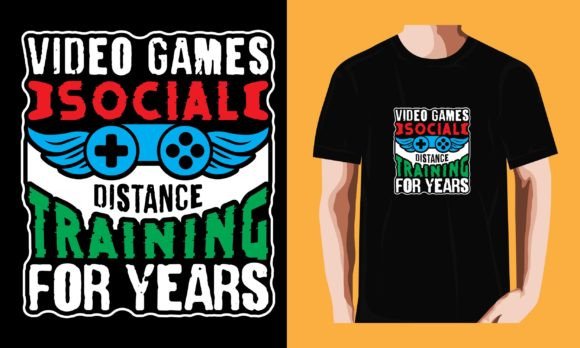
Video Games Social Distance Training for Years
For decades, gamers have been quietly perfecting a unique skill set: navigating complex worlds and collaborating with others from the comfort of their own space. This experience, which we might call Video Games Social Distance Training for years, is more than just entertainment. It represents a deep, often unconscious, preparation for a world where digital interaction and remote coordination are commonplace. It's the practice of building communities, solving problems, and achieving goals without physical proximity.
What Is This Unspoken Training?
At its core, Video Games Social Distance Training for years refers to the accumulated experience gained from participating in online multiplayer games, cooperative campaigns, and vast virtual societies. This isn't about a single game or genre, but the holistic skills developed over time. Players learn to communicate effectively using text or voice chat, often with strangers from across the globe. They manage shared resources, delegate tasks based on skill, and coordinate strategies in real-time, all through a digital interface. They build trust and rapport without ever sharing a physical space, navigating conflict and celebration in purely virtual environments.
This training happens in the background. While the primary goal is fun and achievement within the game, the secondary, real-world skill development is significant. It cultivates digital literacy, remote teamwork, and an intuitive understanding of distributed leadership.
Why Different People See Its Value Differently
The relevance of this long-term gaming experience shifts dramatically depending on who you are and what you do. Its value isn't monolithic; it's filtered through personal goals and professional needs.
For Creators and Designers
If you design graphics, merchandise, or digital content, the aesthetics and iconography of these virtual worlds are a goldmine. The years spent in these environments make you an insider. You understand the visual language, the beloved symbols, and the cultural touchstones that resonate deeply with a massive community. This isn't just about making a cool T-shirt; it's about crafting a piece of identity for others who shared that same training.
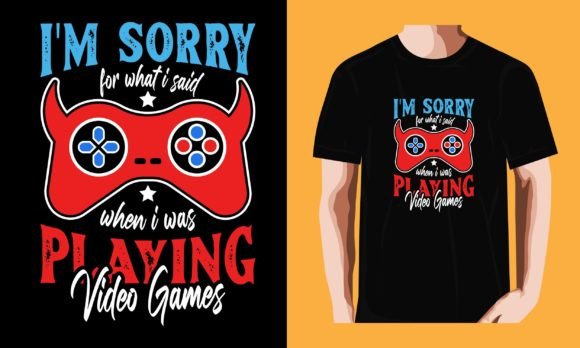
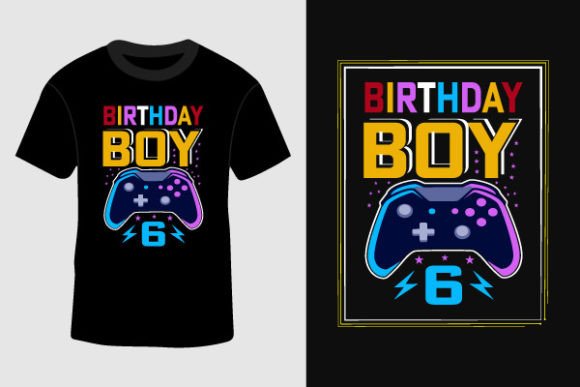
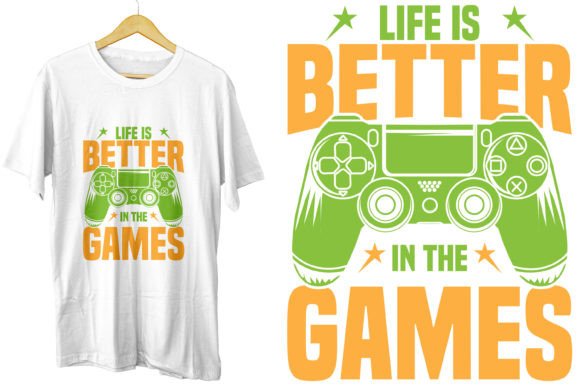
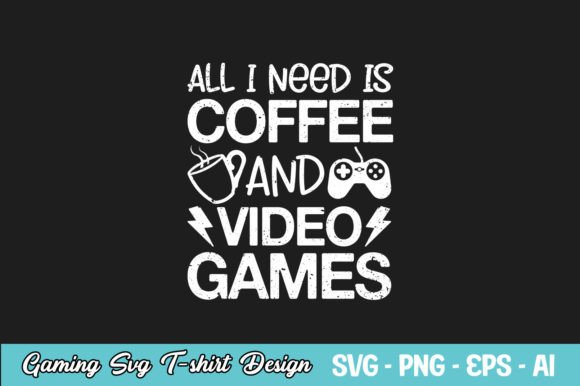
When you see a design listing like "Gaming T-shirt Design I will get here – EPS AI PNG Files Perfect for use on – T-Shirts, Mugs, pillow, clothing, Bags," your evaluation is specific. You prioritize flexibility and commercial value. The EPS and AI files are crucial because they allow scalable, professional modification. The PNG is for quick, high-quality placement. You're thinking about application across a product range, from decals to background illustrations, ensuring the design remains crisp and adaptable. Your long-term usefulness metric is about how well this asset can integrate into your ongoing creative workflow and product lines.
For Professionals, Educators, and Remote Team Leaders
Your interest in Video Games Social Distance Training for years is more analytical. You might see it as a case study in human behavior and remote team dynamics. How do guilds in an MMO successfully organize 50 people for a complex raid? What communication patterns emerge in a competitive esports team? This perspective prioritizes learning value and practical application.
You might draw parallels to managing a distributed workforce or teaching an online class. The gaming experience offers informal examples of engagement strategies, conflict resolution in text-based formats, and building camaraderie through shared digital milestones. Your takeaway is less about the graphics and more about the underlying social mechanics that years of gaming have modeled.
For Entrepreneurs and Small Business Owners
If you're selling products to this community, your focus is on market relevance and authenticity. You understand that a design needs to speak the true language of gamers. A generic "game controller" graphic might not connect, but a specific, nostalgic icon from a beloved classic that fostered social distance training for years will. Your evaluation of a design file package includes its presentation quality and how it translates to physical products like mugs and bags. You're assessing whether the asset feels genuine to the culture it represents, as that authenticity drives consumer connection.
For Hobbyists and Consumers
As someone who has lived this experience, your connection is personal and emotional. A design represents a memory, a shared history, or an identity marker. You're looking for quality and a correct visual representation of that history. When you consider a product, you're asking: Does this design capture the essence of those hours spent collaborating online? Does it look good on a shirt or a pillow? Your priority is celebration and recognition. You're less concerned with file types and more with the final, tangible outcome that lets you wear or display a piece of your own story.
Finding What Matches Your Goals
Identifying whether the concept of Video Games Social Distance Training for years—or the creative merchandise that springs from it—aligns with your needs requires a simple self-check.
Ask yourself about your primary intent. Are you looking to create (focus on design file flexibility and commercial use), analyze and apply (focus on the social and team dynamics lessons), sell (focus on authentic, market-ready assets), or simply own and enjoy (focus on final product quality and nostalgic accuracy)?
For the creator, the presence of layered AI files is a sign of professional utility. For the business owner, a design that taps into a specific, well-defined gaming era or community signals higher potential demand. For the hobbyist, a clean, high-resolution PNG that makes a great decal or T-shirt background is often perfectly sufficient.
The key is to recognize that this broad topic serves multiple purposes. The same years spent in virtual worlds can inspire a designer's next product line, provide a framework for an educator teaching online collaboration, and offer a consumer a beloved piece of personal history. Your perspective filters the value. Whether you're leveraging the skills, the culture, or the memories, the depth of this unspoken training offers something uniquely relevant across a surprisingly wide spectrum of lives and professions.