Crafting a Digital Stage: The Power of Broadcast Interface Design
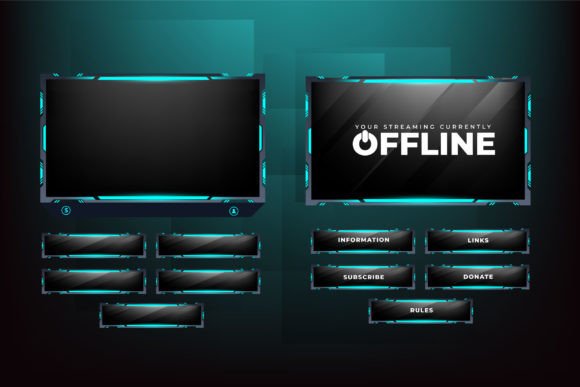
In the bustling arena of live streaming, your visual presentation isn’t just background decoration; it’s your digital stage, your brand’s front-of-house, and a critical tool for audience engagement. Streaming Broadcast Interface Design refers to the curated overlay of graphics, frames, panels, and abstract elements that sit atop your live video feed. It transforms a simple camera output into a professional, branded broadcast environment. This design isn’t mere ornamentation—it’s functional architecture for the screen, guiding viewer attention, presenting information, and establishing a distinct visual personality.
The Anatomy of a Futuristic Streaming Overlay
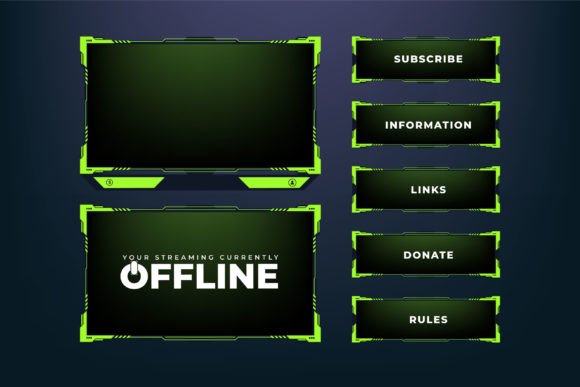
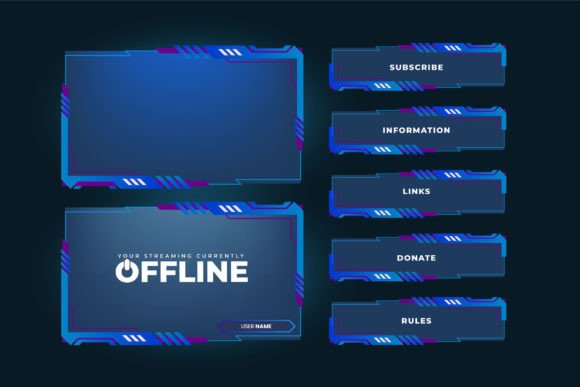
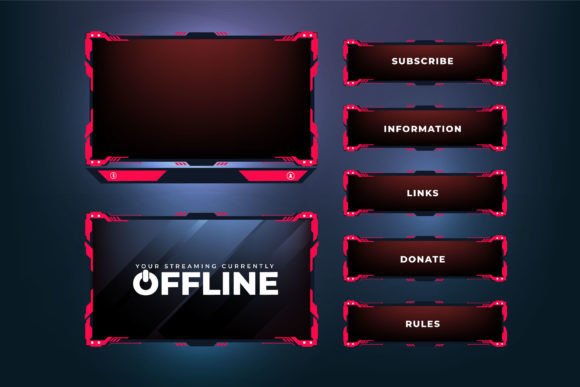
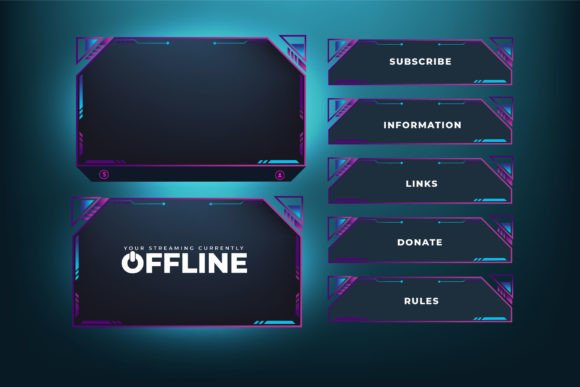
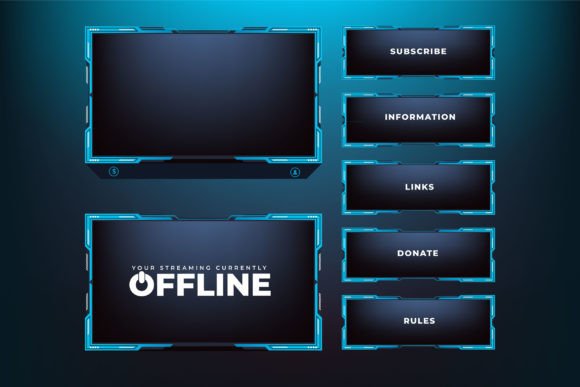
A compelling Streaming Broadcast Interface Design, especially one leaning into a futuristic aesthetic with blue and dark color palettes, possesses specific visual characteristics. The use of abstract shapes—geometric forms, fluid lines, or digital fragments—creates a sense of modern energy and technical sophistication. Blue tones, from deep navy to vibrant cyan, evoke trust, technology, and calm reliability, while the dark background provides high contrast, ensuring text and key elements pop visually. This combination crafts an atmosphere that feels both cutting-edge and intentionally designed, perfect for gaming, tech reviews, or creative tutorials.
The overall appeal lies in its balance of personality and practicality. A well-executed overlay template design projects professionalism, telling your audience you’ve invested in your craft. It also enhances usability: dedicated panels for chat, alerts, or sponsor messages create a clean visual hierarchy, preventing on-screen chaos. This structured yet stylish framework lets your content shine without distraction, making the viewing experience smoother and more enjoyable.
Where This Design Thrives: Applications Beyond the Stream
While conceived for live streaming, the utility of a premium Streaming Broadcast Interface Design extends far beyond the broadcast window. These are versatile digital assets. Designers and content creators can repurpose elements for a cohesive brand identity across multiple touchpoints. The abstract shapes and color schemes can inspire social media graphics, YouTube channel art, or website banners, ensuring visual consistency.
Entrepreneurs and marketers running webinars or online presentations can leverage these templates to elevate their corporate communications, adding a layer of polished, modern design. Bloggers and publishers might use simplified frame elements for featured video embeds within articles. Even crafters and hobbyists sharing process tutorials can benefit from a clean, branded overlay that makes their content more digestible and professional. The core principle is visual consistency; using these design assets across platforms strengthens brand recognition and audience familiarity.
Influencing Perception and Engagement
The strategic use of a dedicated broadcast frame design directly influences how your audience perceives your brand and engages with your content. A chaotic or amateurish screen layout can subconsciously signal a lack of commitment or expertise. Conversely, a thoughtfully implemented interface design communicates professionalism and attention to detail, building trust with viewers.
From a functional standpoint, it dramatically improves readability and information delivery. Critical details—your name, recent followers, key announcements—are placed in designated, well-designed panels, making them easy to spot and read. This clear visual hierarchy prevents important information from being lost in the visual noise of the live feed. Ultimately, it creates a more controlled, engaging, and visually pleasing environment that encourages viewers to stay longer and interact more.
Practical Implementation: Choosing and Using Your Design Assets
When you acquire a design package, like the futuristic live streaming overlay vector from Ifti Digital Graphic Store, your first step is evaluating its fit for your specific project. Consider your brand’s existing color scheme and personality. Does the blue and dark palette complement or enhance it? Does the style of the abstract shapes align with your content’s vibe—are they energetic for gaming, or more sleek for tech talks?
The provided vector format is your key to customization. Using a vector editing application like Adobe Illustrator, you can modify colors, resize elements, or even integrate your logo seamlessly into the template. This flexibility is crucial for creating a unique interface that feels authentically yours, not a generic template. Before going live, conduct readability tests: place your design over your typical video background and ensure all text areas are legible with your chosen fonts.
Thoughts on Font Pairing and Commercial Use
While the overlay provides the structure, your choice of typography within its panels completes the look. For a futuristic design, modern sans serif fonts often pair beautifully, enhancing the clean, tech-forward aesthetic. Consider a bold, condensed font for prominent headers and a lighter, more readable sans serif for information panels. This font pairing creates a dynamic yet cohesive textual hierarchy within the design.
Understanding licensing is essential. When purchasing such digital files for commercial projects—using them in streams that generate revenue, for client work, or in promotional materials—ensure the license permits commercial use. Premium assets from reputable stores typically include this, granting you peace of mind and protecting your business. If you encounter any hurdles while editing the files, reaching out to the creator, as noted, is a practical step to resolve issues quickly and learn directly from the source.
In essence, a Streaming Broadcast Interface Design is more than a set of graphics; it’s a strategic tool for building a stronger, more recognizable, and more engaging digital presence. By investing in quality design assets and tailoring them to your needs, you transform your broadcast from a simple video into a crafted visual experience. It signals to your audience that you value their viewing experience, and in today’s crowded digital landscape, that thoughtful investment in presentation can make all the difference.