The Colored Badge with Winged Gamepad Vector: A Visual Catalyst for Community and Identity
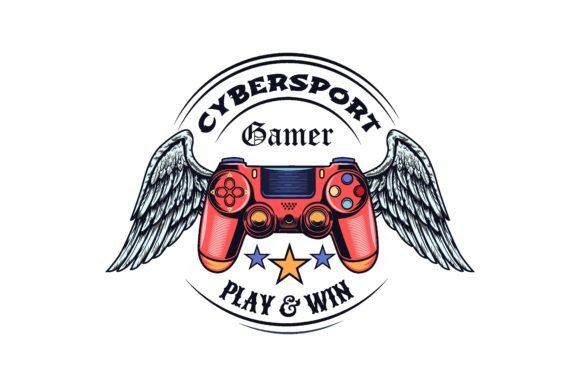
In the expansive and fast-moving worlds of digital creation, online communities, and competitive gaming, establishing a distinct and cohesive visual identity is a fundamental step in the broader process of building a recognizable brand or project. The colored badge with winged gamepad vector is not merely a graphic; it's a specialized design element that serves as a potent symbol and a functional asset. This emblem, often characterized by a round, vibrant banner featuring wings and a joystick, fits directly into workflows focused on branding, event promotion, team representation, and template creation. Its core utility lies in its ability to instantly communicate a concept—cybersport, retro gaming, dedicated gaming zones—while providing a polished, ready-to-use visual foundation.
For professionals, creators, and organizers, this vector asset acts as a starting block. Before a project launches, such as a new esports tournament series, a gaming community website, or a streamer's branding overhaul, the search for core visual components begins. A well-designed colored badge with winged gamepad vector can serve as the central logo or a key graphical motif. It interacts directly with other tools and resources: it is imported into graphic design software like Adobe Illustrator or Figma, integrated into website mockups in Webflow or WordPress theme development, and placed alongside typography and color palettes during the brand definition phase. Its quality and style influence subsequent decisions on complementary graphics, merchandise design, and social media banner artwork.
Strategic Implementation in Project Workflows
Integrating this vector into a real-world workflow requires consideration of both preparation and execution. The first practical step is evaluating the asset's compatibility with your existing systems and the scope of your project. A vector file (typically SVG or AI) offers inherent advantages for long-term use: it is scalable without quality loss, editable if you have the software and skill, and consistent across all media sizes from a mobile app icon to a large event stage backdrop. This makes it a superior choice over static raster images for a core identity element.
During the active execution phase of a project, the badge’s implementation is multi-faceted. For a marketing team launching a "Retro Gaming Night" event, the vector becomes the anchor for all materials:
- It is placed on digital flyers and email newsletters.
- It is used as a watermark or overlay on live-stream video content.
- It is printed on participant badges, venue signage, and promotional merchandise.
This consistent application ensures visual coherence, a critical factor in professional quality control and audience recognition. For a small business owner running a local gaming café, the colored badge with winged gamepad vector might be adapted to form the café's logo, appearing on its website, membership cards, and in-house tournament rankings. The “wings” element subtly conveys themes of speed, competition, and elevation, while the gamepad grounds it firmly in the gaming domain.
Interaction with Platforms and Audience Engagement
The badge does not operate in isolation; its effectiveness is amplified by how it interacts with various platforms and community engagement strategies. On social media platforms like Discord, Twitter, or Instagram, a simplified or iconified version of the badge can serve as the community avatar or channel icon. This creates a visual shorthand that members instantly associate with the group’s purpose. For educators or workshop organizers creating a cybersport curriculum, incorporating this vector into presentation slides, certificates of completion, and online learning module headers adds a layer of thematic polish and legitimacy, making the educational material feel more cohesive and purpose-built.
From an efficiency standpoint, having a high-quality, versatile core vector eliminates the need to source or create disparate graphics for each new application. It becomes a single source asset, streamlining the design process for future campaigns, seasonal updates, or related sub-projects. A blogger or content creator focused on retro gaming reviews can use the badge as a branded segment header within their videos or articles, signaling a dedicated section for classic game analysis. This organization of content aids both the creator’s workflow and the viewer’s navigation.
Beyond the Logo: Template Creation and System Building
A particularly powerful use case for the colored badge with winged gamepad vector is its role as the cornerstone for a full template system. Entrepreneurs and freelance designers can use this specific vector illustration to build a sellable or reusable “retro gaming template” package. This package could include:
- A website theme header featuring the badge.
- Social media post templates with the badge incorporated.
- Printable poster and ticket layouts.
- Email newsletter graphics.
By building a suite of assets around a strong central graphic, you create a consistent and marketable product. This approach demonstrates a practical implementation of the asset that extends its value far beyond a one-time use. For publishers or community managers, this template system ensures that all contributors or volunteer moderators can produce materials that align with the community's visual identity, maintaining standards without requiring individual graphic design skills from every team member.
Furthermore, the aesthetic choices within the badge—the color palette, the retro style of the gamepad, the circular banner shape—dictate the expansion of the visual system. Complementary colors are drawn from the badge itself. Secondary patterns or textures might echo the pixelated or metallic feel of a retro joystick. This creates a holistic brand environment that feels intentionally designed, which is crucial for establishing credibility and a strong, memorable presence in a crowded digital space.
Practical Tips for Smooth Integration
To integrate this vector smoothly into your own work, start with a clear definition of its primary role. Is it your main logo, a secondary emblem, or a decorative motif? This decision will guide its size, placement, and frequency of use. Ensure you have the legal right to use or modify the vector for your intended commercial or public purposes—always verify the license of the asset you acquire.
Next, prepare derivative files for different contexts. From the master vector file, export specific raster versions (PNG, JPG) at the exact sizes needed for your website favicon, social media profile picture, or print-on-demand service. Store these in an organized project folder alongside the original vector. This preparation step prevents last-minute scrambling and format conversion errors during tight deadlines.
Finally, consider the badge’s longevity. A well-chosen vector asset should have a timeless quality that doesn't feel overly trendy and dated in a year. The retro gaming concept, for instance, has enduring appeal. By focusing on clean execution and versatile symbolism, the colored badge with winged gamepad vector can serve as a stable visual anchor for your project for years, adapting to new platforms and media formats as they emerge without requiring a complete identity redesign. Its ultimate value is in providing a solid, communicative, and adaptable starting point for any workflow aimed at uniting a community, promoting an event, or building a brand around the vibrant culture of gaming and cybersport.