The "Life is the Game That Must Be Played" Philosophy in Modern Creative Entrepreneurship
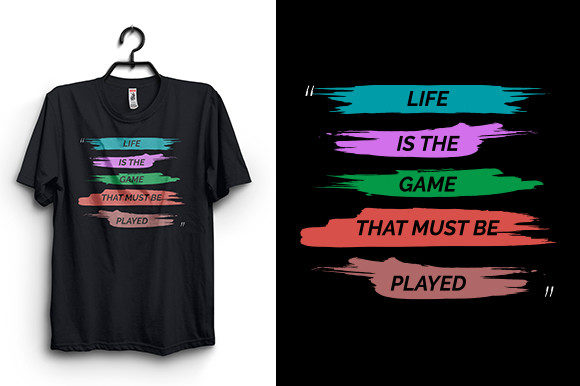
In the intersection of digital culture, personal branding, and creative commerce, a new ethos is emerging. It synthesizes the metaphorical frameworks we use to understand our lives with the tangible products we create to express them. One potent manifestation of this is the phrase and design concept: Life is the Game That Must Be Played. This is not merely a slogan for a t-shirt; it is a declarative statement of a contemporary mindset, reflecting how professionals, creators, and enthusiasts are navigating a complex, competitive, and reward-driven world.
Beyond a Motto: Decoding the Statement
At its core, Life is the Game That Must Be Played operates on two levels. Literally, it acknowledges the pervasive influence of gaming culture—its terminology, its mechanics of challenge and achievement, and its community-driven nature—on mainstream thought. Metaphorically, it proposes a proactive and strategic approach to life’s inherent uncertainties. It suggests that engagement, skill development, adaptability, and a willingness to "play" within the rules (and sometimes redefine them) are essential for success. This philosophy rejects passive observation and champions active participation. For the entrepreneur, it’s about market dynamics; for the freelancer, it’s about project acquisition; for the creative, it’s about audience engagement. The phrase encapsulates a resilient, goal-oriented attitude that has found significant resonance.
Alignment with Macro Trends: Why It Resonates Now
The relevance of Life is the Game That Must Be Played is magnified by its alignment with several converging trends.
The Gamification of Professional and Personal Development
Industries from education to corporate training, and apps from fitness to finance, increasingly employ game-like elements: point systems, progress bars, levels, and rewards. This approach taps into intrinsic motivational drivers. The statement mirrors this societal shift, framing life itself as the ultimate gamified experience where every decision, project, and career move contributes to one’s "score" and progression.
The Rise of Identity-Driven Consumption
Modern consumers, particularly professionals and enthusiasts, seek products that affirm their identity, values, and worldview. Wearable art, like t-shirts, serves as a public declaration of personal philosophy. A design centered on Life is the Game That Must Be Played is more than apparel; it’s a badge of membership in a community that shares a specific, empowered mindset. It connects the wearer to ideas of agency, strategy, and continuous improvement.
The Creator Economy and Digital Native Expression
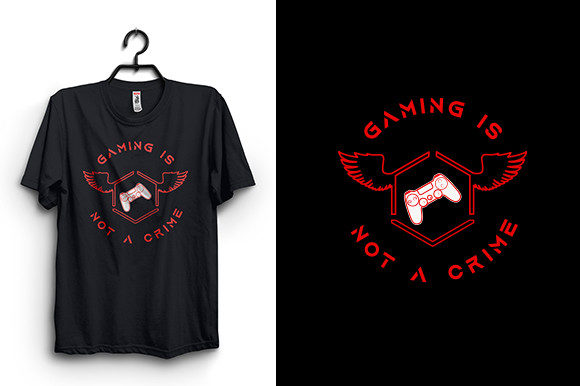
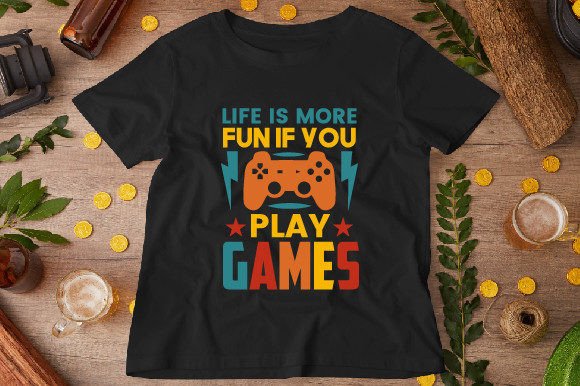
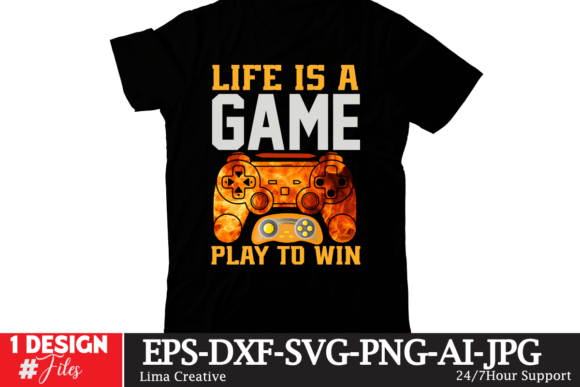
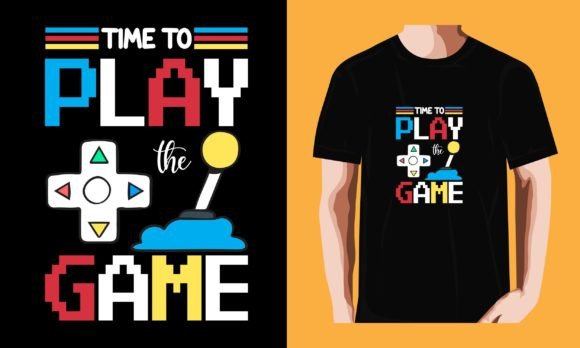
The explosion of the creator economy has democratized design and merchandising. Freelancers, marketers, and solo entrepreneurs can now easily transform an insightful concept into a professional product. The demand is for assets that are not only high-quality but also infinitely adaptable. This ties directly to the practical offering of a Gaming T-Shirt design based on this philosophy—a design that can be easily changed without losing any quality, catering to the need for versatile, core creative assets.
The Changing Needs of Modern Creators and Businesses
The workflows and expectations of today’s professionals necessitate tools and resources that are both premium and flexible.
- Demand for Scalable Quality: Whether testing a market niche or building a full merchandise line, creators need design files that maintain integrity across formats and scales—from web store thumbnails to large-format prints. The requirement for deliverables like 300dpi image files, High-Quality 4500×5400 px files, and 100 Vector T-shirt designs speaks to this need for scalable, uncompromising quality.
- Iteration and Adaptation Speed: Market feedback is instantaneous. A successful concept might need color variations, layout tweaks, or integration with other design elements. The ability to have a design "easily changed without losing any quality" via Ai CS version, EPS CS version, SVG files is not a luxury; it’s a critical operational requirement for agile business practices.
- Organized Asset Management: Efficiency is paramount. Professionals juggle multiple projects. Receiving files well organized and all designs compressed in one ZIP file reduces administrative overhead and streamlines the creative-to-production pipeline, allowing more focus on strategy and marketing—on playing the game effectively.
Practical Application: From Philosophy to Product
Consider a freelance graphic designer building a niche online store. They identify the "Life is the Game" philosophy as a potent message for their target audience of indie developers, startup employees, and gaming enthusiasts. By starting with a premium, fully vector-based GAMING T-Shirt design, they have a foundational asset.
- They can instantly generate variants: a minimalist black-and-white version for a professional, subtle look, and a vibrant color version for community events.
- They can seamlessly integrate the design with other elements for a hoodie or hat mockup using the provided AI and EPS files, ensuring brand consistency.
- They can scale the design for different promotional materials—a large banner for their website using the 4500×5400 px file, and social media assets from the PNGs—all without a pixelated loss of quality.
- This single, well-organized package of assets empowers them to test, adapt, and scale their product line rapidly, mirroring the adaptive, strategic "play" the phrase itself advocates.
Connection to Larger Developments
This move from abstract philosophy to tangible product exemplifies a larger development: the blurring of lines between personal ethos, professional branding, and consumer products. In a digital marketplace, ideas have direct commercial pathways. The tools that facilitate this—like comprehensive, high-quality design packages—are the engines of this new creative economy. They enable the marketer to quickly capitalize on a trending mindset, the entrepreneur to validate a concept with minimal risk, and the enthusiast to wear a symbol of their community.
Why Attention is Focused Here
People are paying attention to concepts like Life is the Game That Must Be Played because they offer a cohesive narrative for fragmented experiences. The professional navigating remote work, the entrepreneur facing competitive volatility, the creative seeking audience attention—all encounter a world that feels increasingly like a complex game with its own rules, risks, and rewards. Adopting this frame is not about trivializing life’s challenges; it’s about systematizing one’s approach to them. It provides a mental model for perseverance, learning from losses, celebrating wins, and continuous engagement. The accompanying tangible design products allow for the externalization of this internal framework, making it shareable, marketable, and connective.
Ultimately, the convergence of this insightful philosophy with the practical, high-quality design resources needed to manifest it represents a microcosm of modern creative business. It highlights how today’s successful creators and professionals must operate: identifying resonant ideas, understanding the deeper trends they tap into, and utilizing flexible, premium tools to bring those ideas effectively into the world. It is, in practice, playing the game at a higher level.