Unlocking Nostalgia: The Visual Journey from Retro Gameboy to Retro Radio
The creative landscape of digital media is often defined by its ability to reinterpret the past. One particularly compelling visual motif that has emerged is the concept of a Retro Gameboy Morph to Retro Radio Perfect. This seamless digital transformation embodies more than just an aesthetic shift; it encapsulates a cultural bridge between two iconic portable entertainment devices of the 80s and 90s.
A Fusion of Portable Entertainment Eras
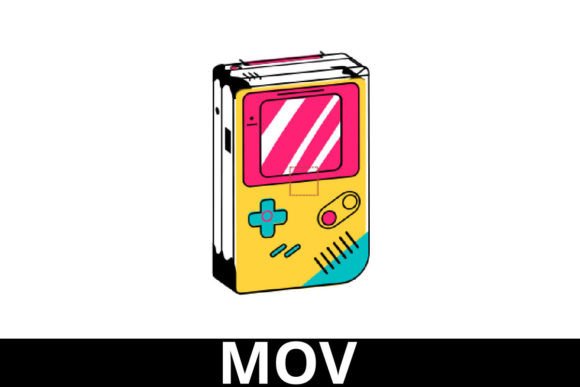
To understand the appeal of this morphing concept, one must first appreciate the standalone significance of each device. The original Nintendo Gameboy, released in 1989, revolutionized mobile gaming. Its square, grey housing, distinctive green-lit screen, and tactile buttons became synonymous with handheld play. It was a device of focus, built for solitary or competitive gaming experiences.
In parallel, the retro radio, particularly the portable boomboxes and stereo cassette players of the same era, represented a different kind of portable freedom. These devices, often bedecked in bright colors, chrome accents, and large speakers, were social catalysts. They were about sharing sound—music, radio broadcasts, mixtapes—with others, often in public spaces.
The morph animation cleverly stitches these two histories together. It’s not merely a superficial change of a video game console into an audio electronics piece. It visually argues that the core DNA of both is identical: personal, battery-powered, tactile entertainment technology designed for on-the-go enjoyment.
Technical and Artistic Execution in Animation
Creating a perfect morph requires a deep understanding of design, graphic principles, and 3D animation techniques. The artist must consider how the Gameboy's hard, digital gaming edges soften and reconfigure into the rounded forms of a vintage boombox. The iconic directional pad and A/B buttons might flow outward to become speaker grills or volume dials. The screen could dissolve into a tape deck window or a frequency display.
This process is often showcased in oldschool video format, like the MOV files one might find in a project ZIP folder. The choice of format itself adds a layer of authenticity. The animation leverages a colorful, creative palette, honoring the bright plastics of 90s consumer electronics while maintaining the functional electronic feel of both devices. The result is a piece that feels both technically impressive and emotionally resonant.
Practical Applications and Use Cases
This specific animation style finds relevance across numerous fields, far beyond being a simple visual novelty.
- Content Creation & Marketing: For brands in the gaming, audio, or technology sectors, such an animation serves as powerful evocative content. It can illustrate brand evolution, highlight product heritage, or simply capture attention in a crowded digital space by tapping into shared nostalgia.
- Educational Contexts: Educators and researchers examining the history of consumer electronics or the psychology of design can use this morph as a clear, dynamic case study. It visually demonstrates how form follows function and how cultural trends influence device aesthetics.
- Creative Projects: Hobbyists and independent creators integrate these assets into larger works. A retro gameboy morph to retro radio perfect for footage might serve as a transition in a documentary, a background element in a music video exploring 90s themes, or a central asset in an interactive digital art installation.
The inclusion of a complete ZIP folder with high-quality MOV files underscores its utility. Professionals can seamlessly incorporate this ready-made, old school video game to vintage radio transformation into their projects without needing to create it from scratch, saving significant production time.
Considerations for Effective Implementation
While the animation is versatile, its effective use depends on context. One must consider the tone of the overarching project. The bright, fun nature of the morph might not suit a somber or strictly technical presentation. Additionally, understanding the licensing or creation rights of the provided footage is crucial for business owners and professionals.
The real-world relevance lies in its ability to communicate complex ideas simply. It shows that play and auditory enjoyment are not disparate concepts but two branches of the same tree of human leisure. This makes it an excellent tool for presentations aimed at a broad audience, where a single, strong visual can replace paragraphs of explanatory text.
Characteristics of a High-Quality Morph Animation
Not all transformation animations achieve the "perfect" descriptor. Key characteristics define a superior execution of the Retro Gameboy Morph to Retro Radio Perfe concept.
- Fluid Geometric Transitions: The morph should feel physically plausible. Components shouldn't just pop or disappear; they should stretch, rotate, and reshape in a logical manner, respecting the materiality of plastic and metal.
- Color Palette Consistency: The animation should maintain a cohesive colorful scheme. The muted greys of the Gameboy might gradually warm into the vibrant reds, yellows, or blues of a 90s boombox, avoiding abrupt, jarring color jumps.
- Attention to Period Details: High-quality work incorporates authentic details: the specific texture of a Gameboy's screen lens, the exact layout of a stereo's equalizer sliders, the typography on buttons. This meticulousness enhances the nostalgic payoff.
- Seamless Loop Potential: Many such animations are designed to loop infinitely, creating a hypnotic, perpetual cycle between console and player. This requires careful planning of the starting and ending frames to match perfectly.
These characteristics ensure the animation stands as a credible piece of digital art, rather than a simple graphic trick.
The Broader Trend of Retro Tech Morphing
This specific animation is part of a larger trend in digital art and motion graphics. The morphing of one vintage electronic device into another speaks to a contemporary fascination with the retro and the analog. We see similar concepts with phones transforming into cameras, or televisions morphing into computers.
This trend likely stems from a collective desire to make sense of our rapid technological evolution. By visually linking the Gameboy and the boombox, we acknowledge their shared roots and honor their legacy. It’s a form of digital archaeology that makes the past feel connected, continuous, and wonderfully fun.
For the hobbyist, it’s a celebration of cherished objects. For the business owner, it’s a study in iconic product design. For the educator, it’s a teaching tool about industrial history. For everyone, it is a brief, beautiful reminder of the portable devices that defined generations and the simple joy of pressing a button to unlock a world of entertainment.
Ultimately, a well-executed morph does more than transform shapes on a screen. It performs a kind of cultural alchemy, reminding us that the boxes we hold in our hands—whether for video games or for sound—are more than just circuitry and plastic. They are containers for memory, for shared experience, and for the fundamental human urge to play and listen, anytime, anywhere.